




— Blogs —
—Products—
 Consumer hotline +8618073152920
 WhatsApp:+8615367865107
Address:Room 102, District D, Houhu Industrial Park, Yuelu District, Changsha City, Hunan Province, China
Product knowledge
Time:2024-04-24 11:00:03 Popularity:3825
A tipping bucket rain gauge is an instrument that measures rainfall by turning over a container (bucket). The main differences between different tipping bucket rain gauges usually lie in their measurement accuracy, design, size and application scenarios. Below are the differences between three different sizes of tipping bucket rain gauges:
The main difference between 0.2mm, 0.1mm and 0.5mm tipping bucket rain gauges is their different resolutions, i.e. they measure rainfall in different minimum units.
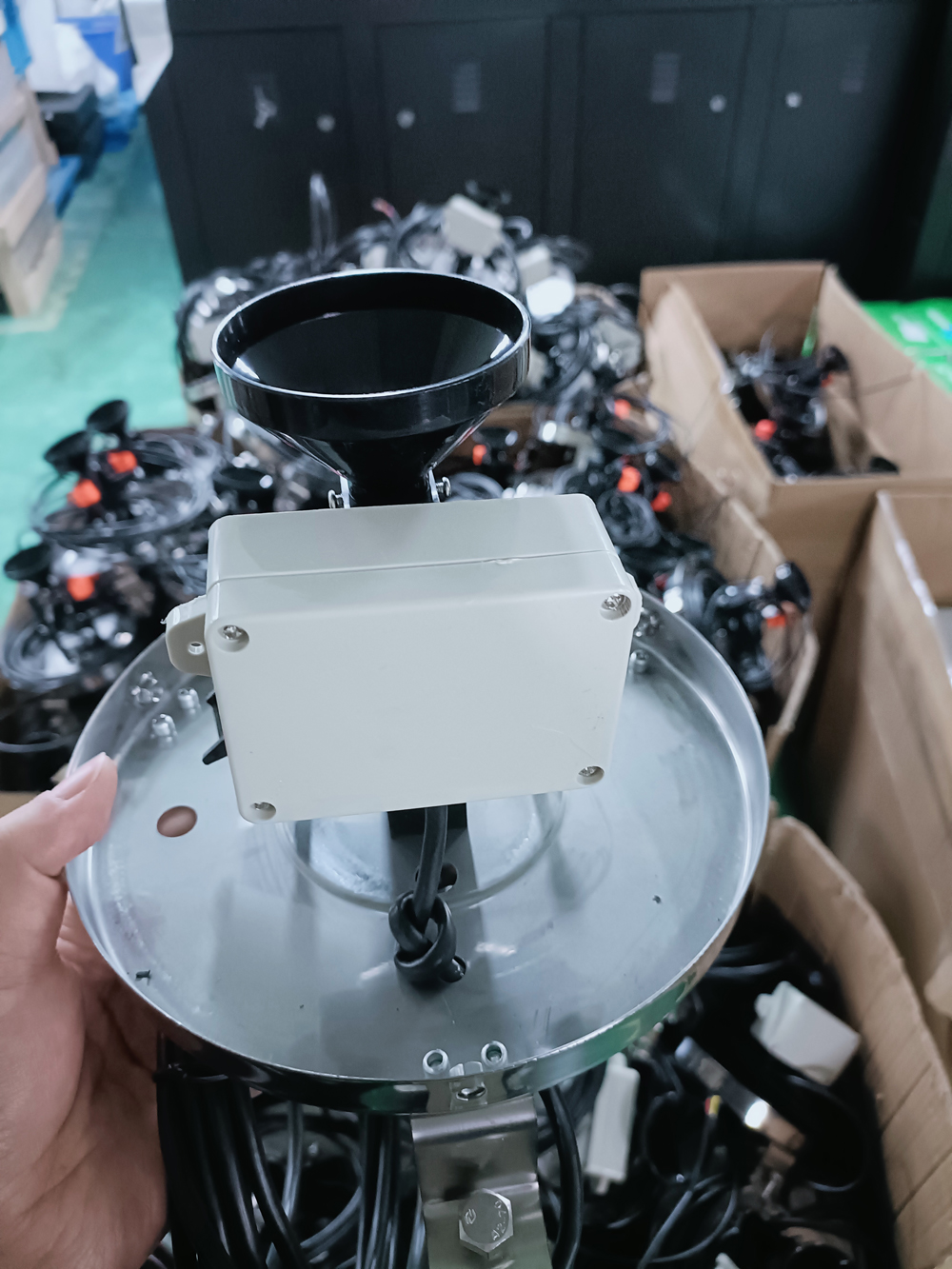
0.2mm tipping bucket rain gauge: its resolution is 0.2mm, which means that the amount of rainfall represented by each tipping bucket is 0.2mm. this kind of rain gauge is suitable for occasions that require high accuracy of rainfall. This type of tipping bucket rain gauge can measure very small amounts of rainfall with high accuracy.
It is suitable for occasions that require higher accuracy of rainfall, such as meteorological observation, agricultural irrigation management and other fields.
May be suitable for smaller time resolution, such as hourly or half-hourly rainfall measurement.
0.1mm tipping bucket rain gauge: its resolution is 0.1mm, i.e. each tipping bucket flip represents 0.1mm of rainfall. This higher resolution makes it ideal for applications where very precise rainfall measurement is required.
Suitable for applications where very high rainfall accuracy is required, such as precision agriculture, scientific research experiments, etc.
May be suitable for very small time resolutions such as rainfall measurements per minute or less.
0.5mm tipping bucket rain gauge: its resolution is 0.5mm, which means that the amount of rainfall recorded is 0.5mm for each tipping of the bucket. this type of rain gauge may be more suitable when lower accuracy is required, or when larger rainfall measurements are required.
It is suitable for occasions where rainfall accuracy is not very high, such as basic meteorological observations and hydrological monitoring.
May be suitable for larger temporal resolutions, such as daily or hourly rainfall measurements.
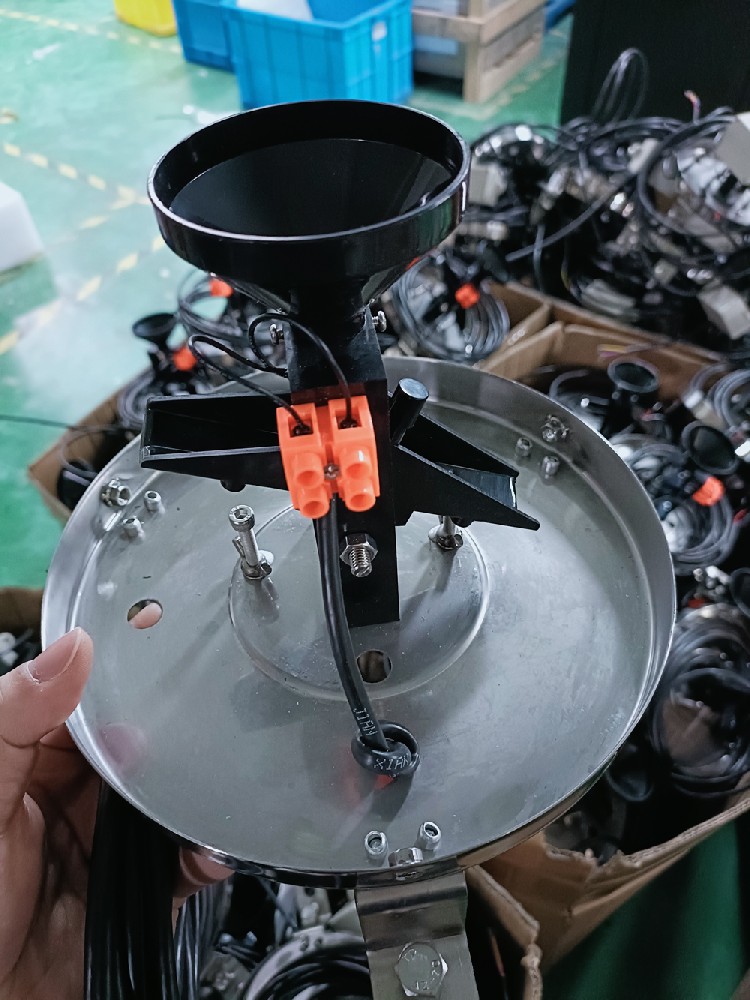
Apart from the difference in resolution, these three types of tipping bucket rain gauges may be similar in their basic principle of operation, construction and other performance characteristics. They all use the overturning of a tipping bucket to accumulate precipitation and output a corresponding signal. In addition, they are usually characterised by a high degree of automation, a high degree of timeliness in obtaining precipitation, and ease of storage and transmission of rainfall information. At the same time, these rain gauges may also be characterised by strong anti-interference capability, all-outdoor design, high measurement accuracy, large storage capacity, convenient networking, fully automatic unattended operation and stable operation.
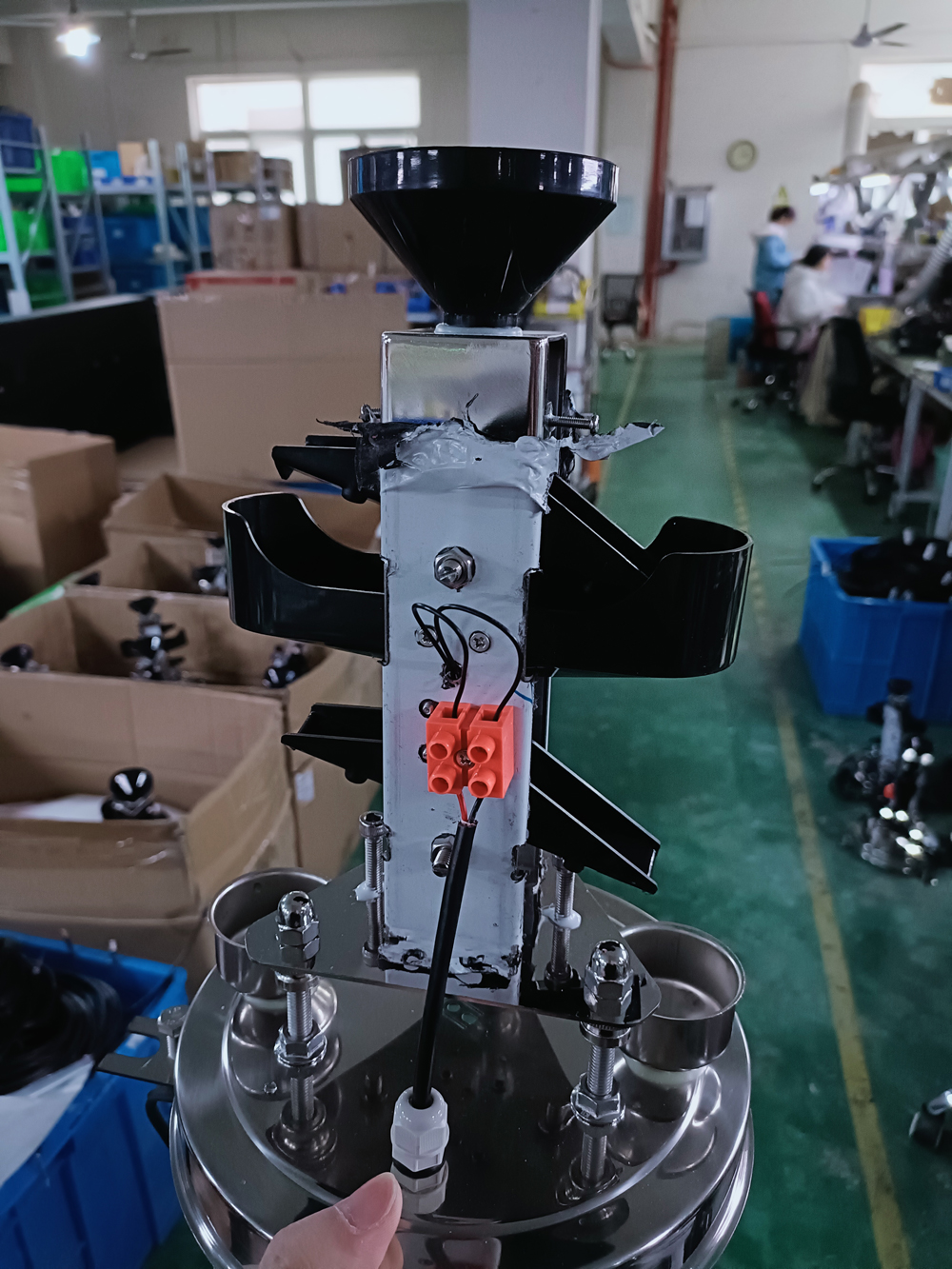
0.1mm, 0.2mm and 0.5mm tipping bucket rain gauge in the application of some differences, which mainly depends on their resolution and measurement accuracy.
0.2mm tipping bucket rain gauge is able to provide more accurate rainfall measurement data due to its higher resolution. Therefore, it is more suitable for occasions that require higher accuracy of rainfall, such as meteorological research, environmental monitoring, hydrological analysis, and so on. In these scenarios, accurate rainfall data is essential for analysing climate patterns, predicting changes in water resources and making related decisions.
0.5mm tipping bucket rain gauge has a slightly lower resolution but is still useful in some applications. It is suitable for those occasions where the accuracy of rainfall measurement is not particularly high, but fast response and real-time monitoring are required. Examples include farmland irrigation and urban drainage system monitoring. In these scenarios, the 0.5mm tipping bucket rain gauge is able to provide sufficient rainfall data to meet basic monitoring and decision-making needs.
0.1mm tipping bucket rain gauge is suitable for use in scenarios where very high accuracy of rainfall is required. Due to its high resolution and ability to provide more accurate rainfall data, it is often used in meteorological observatories, environmental science research, precision irrigation in agriculture, and water resource management. In these scenarios, accurate rainfall data is crucial for analysing climate patterns, assessing water resource changes, developing irrigation plans, and conducting related scientific research.
It should be noted that although 0.1mm tipping bucket rain gauge can provide highly accurate measurement data, its cost may be relatively high, so the actual demand, budget and maintenance cost should be considered when choosing. At the same time, in order to ensure the accuracy and reliability of the measurement data, the use of 0.1mm tipping bucket rain gauge also need to follow the correct installation and operation specifications, and regular maintenance and calibration.
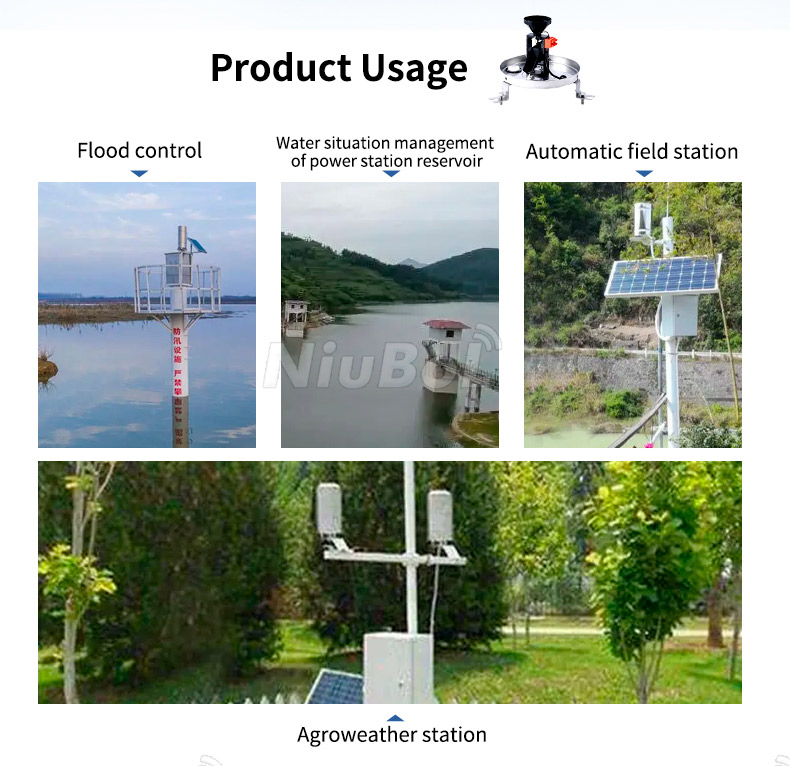
Overall, the choice of whether to use a 0.1mm, 0.2mm or 0.5mm tipping bucket rain gauge needs to be based on specific measurement needs and scenarios. Regardless of which resolution tipping bucket rain gauge is chosen, the needs of the actual application should be considered, including factors such as the required measurement accuracy, time resolution, environmental conditions, and cost. In addition, calibration and maintenance of the tipping bucket rain gauge are key to ensuring its accuracy.
 NBL-W-ARS-Tipping-bucket-rain-gauge-instruction-manual.pdf
NBL-W-RS-Rain-sensors-instruction-manual-V4.0.pdf
NBL-W-DRS-Double-Tipping-Bucket-Rain-Sensor-Instruction-Manual.pdf
Related recommendations
Sensors & Weather Stations Catalog
 Agriculture Sensors and Weather Stations Catalog-NiuBoL.pdf
Weather Stations Catalog-NiuBoL.pdf
Agriculture Sensors Catalog-NiuBoL.pdf
Water Quality Sensor Catalog-NiuBoL.pdf
Related products
 Combined air temperature and relative humidity sensor
 TDR Soil Moisture & Temperature Sensor for irrigation| RS485 |4-20mA| NBL-S-THR
 Soil pH sensor RS485 soil Testing instrument soil ph meter for agriculture |NBL-S-PH
 Wind Speed sensor Output Modbus/RS485/Analog/0-5V/4-20mA
 Tipping bucket rain gauge for weather monitoring auto rainfall sensor RS485/Outdoor/stainless steel
 Pyranometer Solar Radiation Sensor 4-20mA/RS485

Screenshot, WhatsApp to identify the QR code
WhatsApp number:+8615367865107
(Click on WhatsApp to copy and add friends)

