




— Blogs —
—Products—
 Consumer hotline +8618073152920
 WhatsApp:+8615367865107
Address:Room 102, District D, Houhu Industrial Park, Yuelu District, Changsha City, Hunan Province, China
Product knowledge
Time:2024-03-16 17:31:29 Popularity:7910
A water level sensor works by detecting the height of water or liquid and converting that condition into an electrical signal or digital value. The working principle depends on the sensor type and application environment.
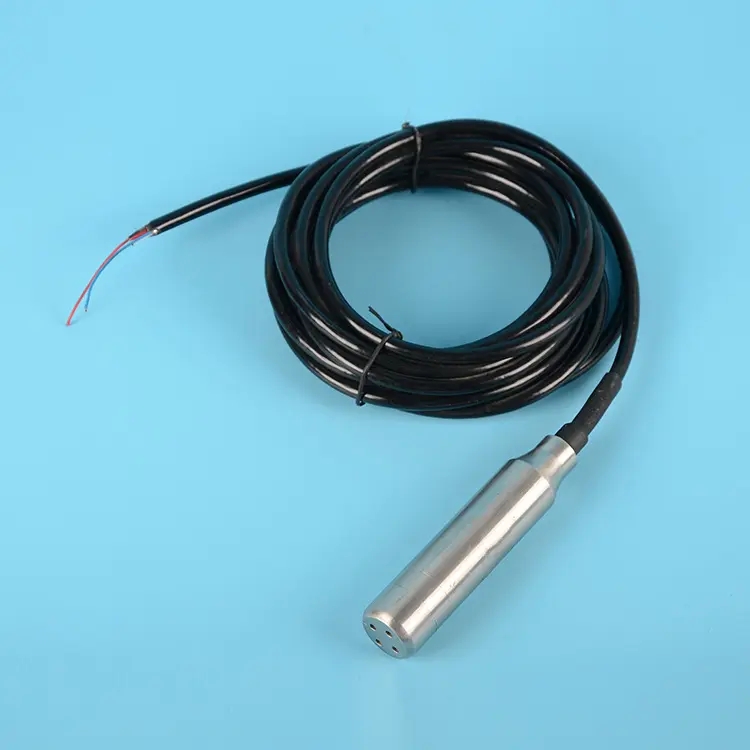
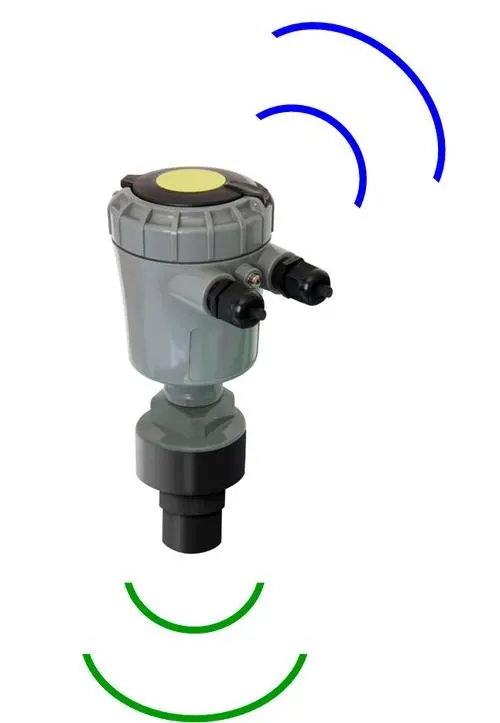
Float sensors use buoyancy, pressure sensors use hydrostatic pressure, ultrasonic sensors use sound reflection, and radar sensors use electromagnetic waves to measure distance to the liquid surface.
| Sensor type | Working principle | Project fit |
|---|---|---|
| Float level sensor | Buoyant float changes position or switch state | Simple tanks and alarms |
| Pressure level sensor | Hydrostatic pressure relates to liquid height | Tanks, wells and water bodies |
| Ultrasonic level sensor | Non-contact sound reflection | Open tanks and channels with suitable surface |
| Radar level sensor | Non-contact radar reflection | Harsh vapor, dust or longer-range applications |
The sensor output may connect to a display, logger, PLC, RTU or platform. The receiver must match output type, unit, range and scaling.
Choose by liquid type, tank or channel shape, required range, contact or non-contact preference, power, output and maintenance access.
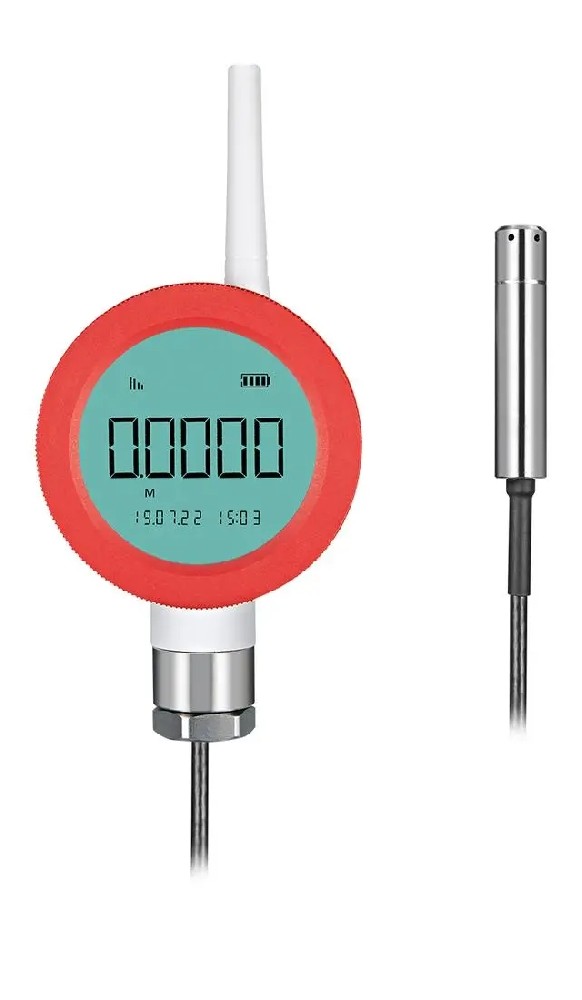
It detects liquid height through a principle such as buoyancy, pressure, ultrasonic reflection or radar reflection and outputs a readable value or signal.
Ultrasonic and radar level sensors are common non-contact choices, depending on surface condition, range and site environment. It is suitable when the measured variable supports the project decision and the installation point represents the monitored site.
Foam, waves, vapor, sediment, tank shape, pressure changes, installation angle and wrong scaling can affect readings. For integration, verify field value, timestamp, site label, reference point and upload to the receiving platform rather than relying only on a successful power-on test.
Yes, when the logger or RTU supports the selected output and maps range, unit and timestamp correctly. Confirm the receiving PLC, RTU, data logger or controller input before ordering; the useful interface is the one the system can read and maintain.
Confirm liquid type, range, installation method, output, power, cable length, environment and data receiving system. A useful inquiry should state measurement point, reference datum, power, telemetry route and maintenance access; this allows NiuBoL to match the product configuration without adding unsupported parameters.
Verify live level value, reference measurement, output mapping, timestamp, alarm threshold and stable readings under site conditions. The acceptance record should include field value, timestamp, site label, reference point and upload to the receiving platform so later maintenance can identify whether the sensor or the system caused a fault.

Water level sensors work by converting liquid height into a usable signal. The suitable principle depends on the site, liquid and receiver.
Related recommendations
Sensors & Weather Stations Catalog
 Agriculture Sensors and Weather Stations Catalog-NiuBoL.pdf
Weather Stations Catalog-NiuBoL.pdf
Agriculture Sensors Catalog-NiuBoL.pdf
Water Quality Sensor Catalog-NiuBoL.pdf
Related products
 Combined air temperature and relative humidity sensor
 Soil Moisture Temperature sensor for irrigation|NBL-S-THR
 Soil pH sensor RS485 soil Testing instrument soil ph meter for agriculture |NBL-S-PH
 Wind Speed sensor Output Modbus/RS485/Analog/0-5V/4-20mA
 Tipping bucket rain gauge for weather monitoring auto rainfall sensor RS485/Outdoor/stainless steel
 Pyranometer Solar Radiation Sensor 4-20mA/RS485

Screenshot, WhatsApp to identify the QR code
WhatsApp number:+8615367865107
(Click on WhatsApp to copy and add friends)

