




— Blogs —
—Products—
 Consumer hotline +8618073152920
 WhatsApp:+8615367865107
Address:Room 102, District D, Houhu Industrial Park, Yuelu District, Changsha City, Hunan Province, China
Check NiuBoL dust and noise monitoring data by units, sound metric and event timing. Validate PM and noise channels separately before alarms; request an interface review.
Specify a NiuBoL dust and noise monitoring system for construction sites. Check PM sensors, noise metrics, siting and spray-control requirements before requesting quotes.
Plan NiuBoL negative oxygen ion monitoring in scenic areas. Review station placement, RS485 integration and public display quality before specifying your park project.
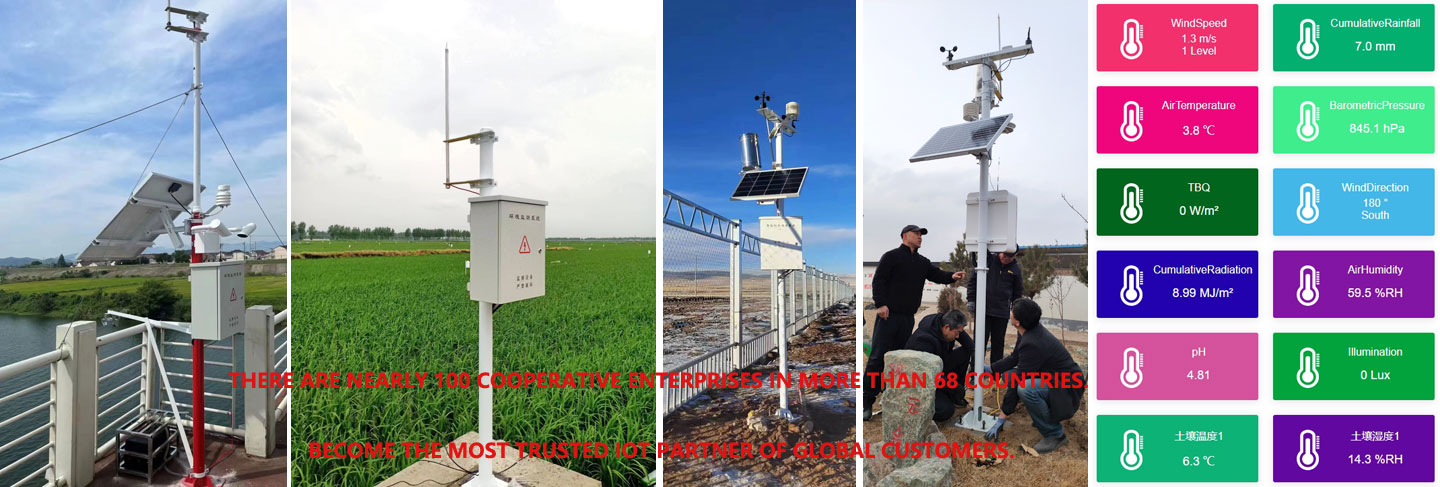
Plan a NiuBoL agricultural environment monitoring system for farms and crop sites. Check sensor networks, data timing, gateway power and recovery before integration.
Assess NiuBoL greenhouse condensation monitoring using air humidity, dew point and surface temperature. Separate risk from wetness and disease; request a sensor review.
Plan NiuBoL campus weather station acceptance with usable lesson records, safe access and displays. Test units, gaps and exports; request an education project review.
Portable soil moisture meter for irrigation surveys and fixed-node checks. Review sampling, calibration, USB export and NiuBoL configurations before choosing a field kit.
Compare NiuBoL soil moisture monitoring applications across farms, landscaping and research. Match VWC, depth and sensor output to the decision; request a channel review.
Evaluate NiuBoL solar insect lamps in vineyards with pest checks, fruit inspection and a local trial. Separate trap catch from crop protection; request a pilot review.
Check a NiuBoL solar insect killer lamp power budget before off-grid deployment. Compare battery energy, night loads and solar recovery; request a duty-cycle review.
Review NiuBoL insect forecasting lamp records by capture window, runtime and sample status. Separate zero catch from missing data; request a record export demonstration.
Assess NiuBoL insect recognition accuracy with species-level precision, recall and count checks. Review local trap images and error costs; request a local demonstration.
Review NiuBoL insect forecasting lamp samples for pest monitoring. Check processing, image quality and whole-cabinet power before specifying an observation system.
Compare NiuBoL remote pest forecasting devices and solar insect traps for farm projects. Define monitoring points, lamp type, power and field acceptance before buying.
Plan NiuBoL agricultural four-condition monitoring around soil, crop, pest and weather evidence. Define module limits and field checks; request a configuration review.


Screenshot, WhatsApp to identify the QR code
WhatsApp number:+8615367865107
(Click on WhatsApp to copy and add friends)

